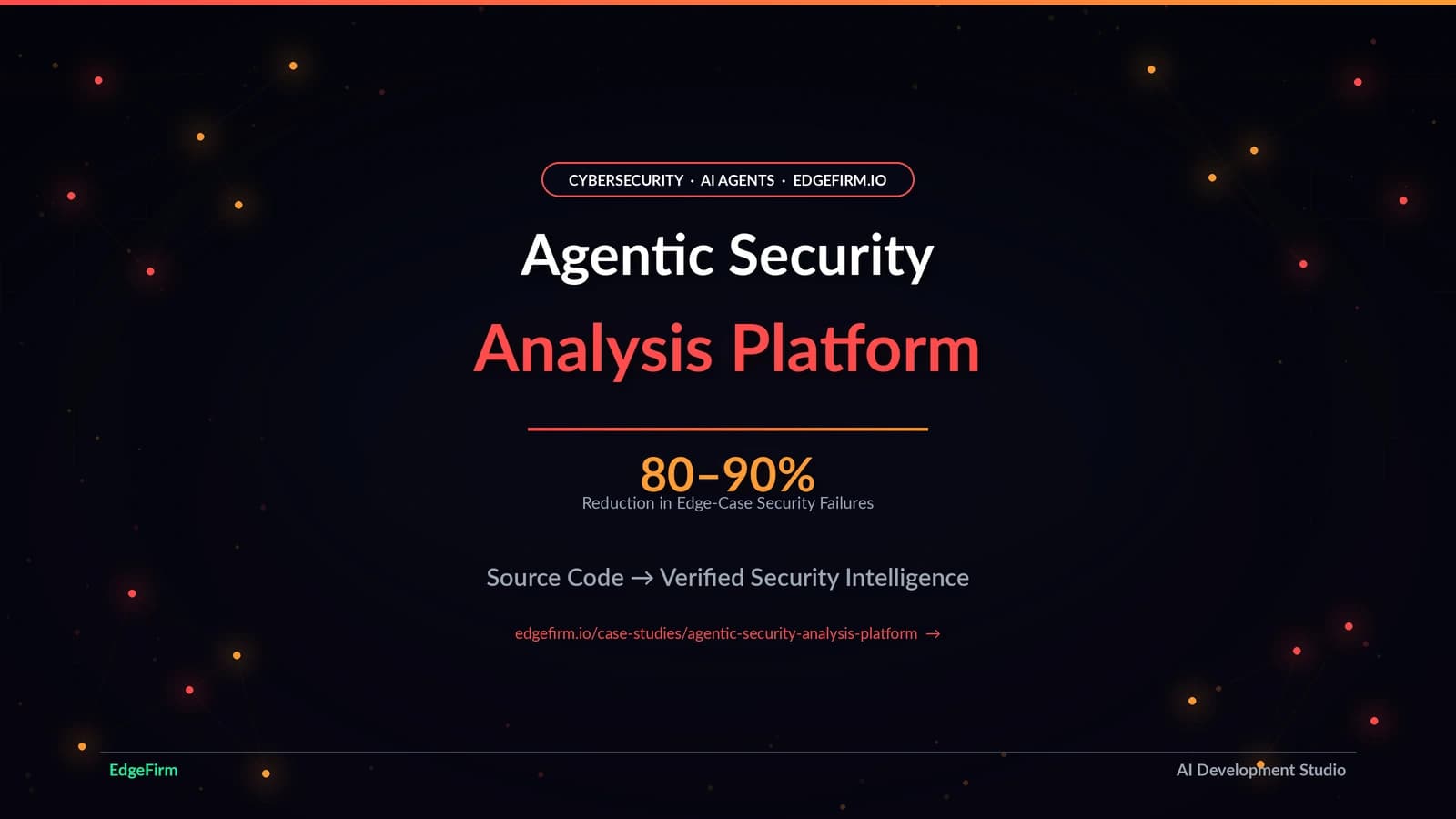
AI Code Security Analysis: 80-90% Fewer Failures
Agentic AI Platform That Transforms Source Code Into Verified Security Intelligence
AI Code Security Analysis: 80-90% Fewer Failures
Challenge
Diverse enterprise architectures made traditional security analysis brittle, inconsistent, and unreliable at scale
Solution
Agent-driven workflows with graph-based system modeling, runtime validation, and adaptive failure handling
- 80 to 90% fewer workflow edge-case failures
- Reduced false positives via runtime validation
- Scales across multi-service enterprise codebases
EdgeFirm fundamentally changed how we think about security analysis. Their agentic platform didn't just find vulnerabilities. It understood our entire system architecture, validated every finding at runtime, and delivered code-level fixes. The reduction in false positives alone justified the investment.
AI Code Security Analysis: 80-90% Fewer Edge-Case Failures
This agentic platform cut edge-case security failures by 80 to 90%. Modern enterprises operate large, complex codebases spanning multiple services, frameworks, and authentication models. Traditional security analysis, combining static analysis tools, manual review, and isolated LLM calls, consistently fails to deliver consistent, validated, and scalable results across diverse enterprise environments.
This platform enables organizations to ingest their repository (source code and documentation) and automatically transform it into validated security insights with actionable remediation guidance. It moves beyond simple vulnerability detection: identifying system architecture, analysing APIs, validating security findings at runtime, and providing code-level fixes, all orchestrated through intelligent agent workflows built on the Claude Agent SDK.
The Challenge: Diverse enterprise architectures made traditional security analysis brittle, inconsistent, and unreliable at scale
Scope of Work
Design and deploy an agent-driven security analysis platform capable of ingesting enterprise repositories and producing validated, actionable security insights. The core challenge: enterprise codebases vary wildly in architecture, authentication patterns, and framework choices. Any hardcoded workflow breaks immediately. The solution required adaptive, agentic execution that could reason about and navigate each codebase dynamically.
Key Deliverables:
- Repository ingestion pipeline with graph-based architecture modelling (Neo4j)
- Agentic structural analysis engine with MCP-integrated tool access
- Vulnerability identification covering authentication, privilege escalation, data exposure, and API misuse
- Runtime validation via Playwright-based API tests and OWASP ZAP integration
- Adaptive failure-handling loop for automatic test refinement
- Actionable remediation reports with code-level fixes and configuration guidance
DEVELOPED PIPELINE
Repository Ingestion & System Modeling: The platform identifies services, modules, and architectural components, extracts API endpoints across frameworks, and correlates documentation context with actual code behaviour. A graph-based architecture powered by Neo4j models the entire application surface, linking services, APIs, authentication mechanisms, and vulnerabilities, giving the agent a complete understanding of the system before analysis begins.
Agent-Driven Structural Analysis: Rather than relying on hardcoded workflow branches, the platform uses agentic execution to dynamically identify application structure, infer authentication and authorization mechanisms, and understand API workflows and dependency chains. The agent uses controlled tool access including MCP-integrated tools to read, reason, edit, and validate code context safely within execution boundaries, dramatically reducing edge-case failures across different enterprise patterns.
Technology Stack
AI Orchestration
Claude Agent SDK (Anthropic) with MCP-based tool integrations
Graph Database
Neo4j for graph-based system modelling and contextual architectural reasoning
Workflow Orchestration
Temporal for distributed, durable workflow execution across analysis phases
Runtime Validation
Playwright for automated API test execution; OWASP ZAP for runtime security verification
Backend
NestJS (TypeScript) for backend services and API layer
Frontend
React dashboard for workflow interface and vulnerability reporting
Infrastructure
Dockerized execution environments for safe, isolated analysis runs
Results
80 to 90% Fewer Edge-Case Failures
Adaptive agentic workflows replaced brittle sequential LLM pipelines, dramatically reducing failures caused by architectural variation across enterprise codebases.
Significantly Reduced False Positives
Runtime validation via Playwright and ZAP ensures only exploitable vulnerabilities surface. Engineering teams act on real threats, not theoretical findings.
Consistent Cross-Architecture Analysis
The platform reliably handles diverse authentication models, framework choices, and service architectures without requiring manual workflow customization per client.
Evidence-Backed Remediation
Every validated vulnerability is paired with code-level fixes, configuration guidance, and authorization hardening recommendations, shortening the remediation cycle significantly.
Conclusion
By combining system-level modelling, adaptive agent-driven workflows, and runtime validation, the platform transforms raw source code into verified, actionable security intelligence. The result is a scalable, repeatable security process that delivers clarity, reduces uncertainty, and helps engineering teams fix real vulnerabilities with confidence, regardless of how complex or diverse the underlying enterprise architecture.
PROJECT AT A GLANCE
Industry
Cybersecurity / Enterprise SaaS
Location
United States
Timeline
Active development
Industry Focus
The core challenge was enterprise heterogeneity: no two codebases look alike. Authentication patterns, service architectures, and API exposure models vary wildly, making any hardcoded analysis workflow fragile. The agentic approach was not a convenience. It was a necessity.
TECHNOLOGY STACK
- Claude Agent SDK
- TypeScript
- NestJS
- Neo4j
- Playwright
KEY RESULTS
- 80 to 90% fewer workflow edge-case failures
- Reduced false positives via runtime validation
- Scales across multi-service enterprise codebases
OTHER PROJECT CASE STUDIES
InsightsBot
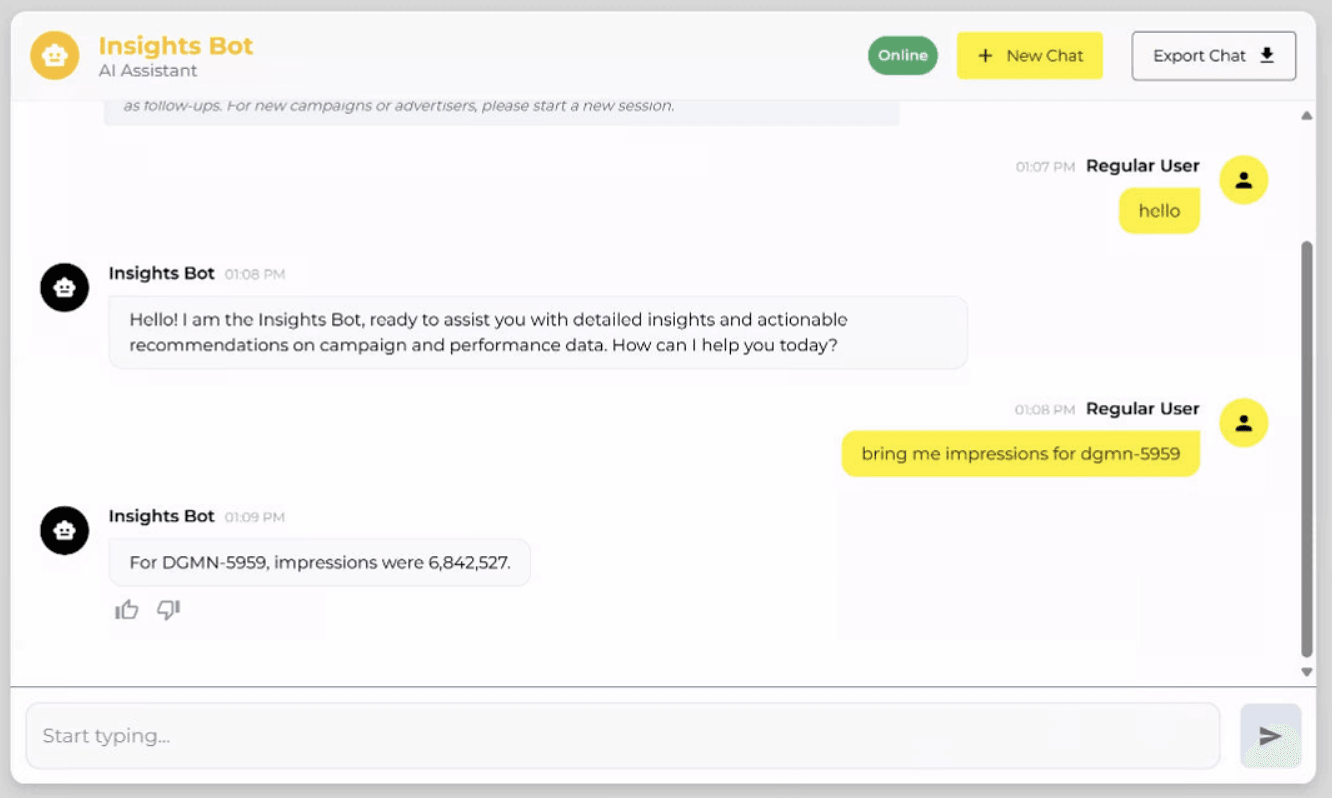
AI marketing analytics platform that automated agency reporting and cut report turnaround by 90%.
Agent22
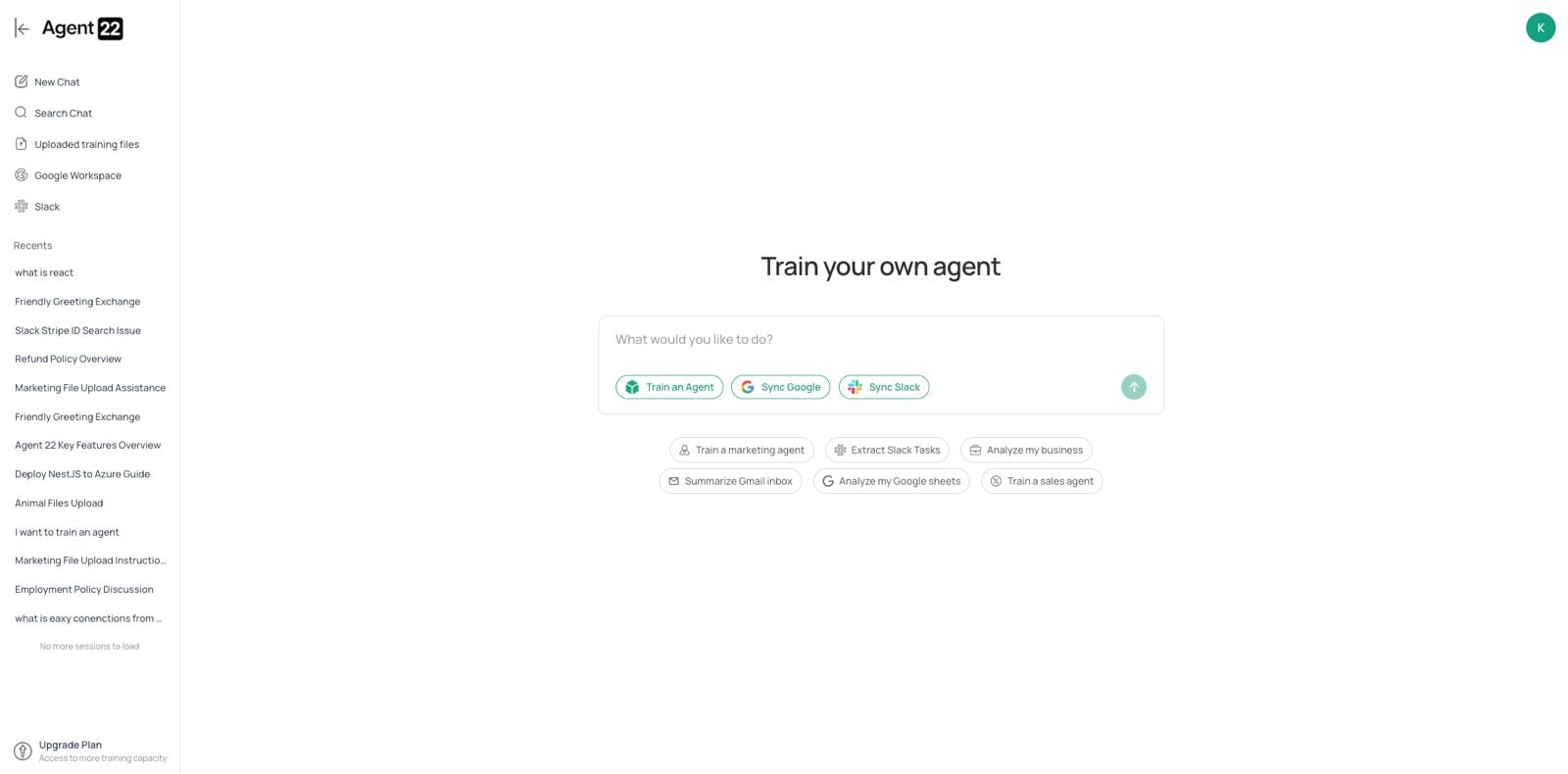
AI knowledge management assistant that unifies company knowledge to speed onboarding and internal support.
Document AI
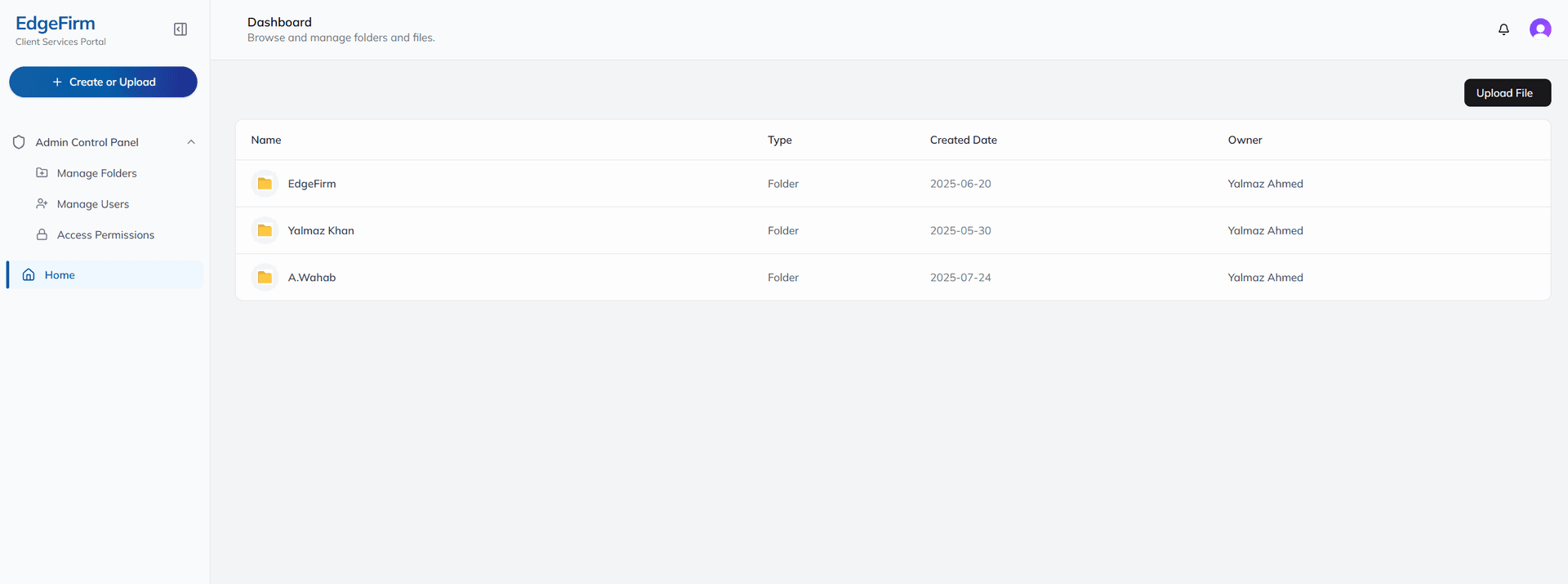
Enterprise document search and management with AI retrieval across large, unstructured archives.
Ready to Transform Your Business with AI Solutions?
Schedule a free strategy call to discuss your project and get a custom AI implementation roadmap.
Or email us directly at hello@edgefirm.io. We typically respond within 2 hours during business days.